Modern vehicles are no longer just mechanical machines—they are rolling computers. One of the biggest changes drivers don’t always realize involves the windshield. Today, a windshield replacement is not just about installing new glass. In many vehicles, the windshield plays a critical role in housing Advanced Driver Assistance Systems (ADAS), which directly affect how your car sees the road and reacts to danger. When ADAS is not properly recalibrated after a windshield replacement, the consequences can range from annoying warning lights to serious safety risks.
The Windshield’s Role in ADAS Technology
Most newer vehicles use forward-facing cameras and sensors mounted to or behind the windshield. These components power safety systems such as automatic emergency braking, lane departure warning, lane keep assist, adaptive cruise control, and traffic sign recognition. During a windshield replacement, even the smallest change in glass thickness, curvature, or camera positioning can alter how these systems interpret the road.
ADAS systems rely on precise angles and measurements. A difference of just a few millimeters can throw off calculations that determine distance, speed, and lane positioning. That’s why ADAS recalibration is required after a windshield is replaced on many vehicles—it restores those systems to manufacturer specifications.
Safety Systems May Fail or React Incorrectly
When ADAS is not recalibrated after a windshield replacement, your vehicle may still drive normally, but its safety features may not function as intended. This is one of the most dangerous aspects of skipping recalibration: the failure is often invisible until it’s too late.
Automatic emergency braking may activate too late—or not at all—during a sudden stop. Lane keep assist may gently steer the vehicle toward the wrong lane line. In some cases, systems may trigger false alerts or unnecessary braking because the camera misinterprets shadows, road markings, or nearby vehicles. These errors increase the risk of accidents rather than preventing them.
Dashboard Warnings and Disabled Features
Many vehicles are designed to detect calibration issues. If the system senses incorrect camera alignment after a windshield replacement, you may see dashboard warnings or error messages related to ADAS. In some cases, the vehicle will disable safety features entirely as a precaution.
While this may seem inconvenient rather than dangerous, it removes important layers of protection that drivers have come to rely on. Features like forward collision warning and lane departure alerts are designed to assist in critical moments. Driving without them—especially without realizing it—puts you at greater risk on busy roads and highways.
Increased Liability in an Accident
Failing to recalibrate ADAS after a windshield replacement can also create serious legal and insurance issues. If you’re involved in an accident and an investigation shows that safety systems were not properly restored, liability may shift. Insurance companies may question whether the vehicle was in safe operating condition, potentially complicating claims or reducing payouts.
In a world where fault determination is becoming more precise, especially in states with stricter accident laws, improper ADAS calibration can work against you. What seems like a minor repair shortcut can become a costly mistake when documentation and vehicle safety records are reviewed.
Why Recalibration Requires Professional Equipment
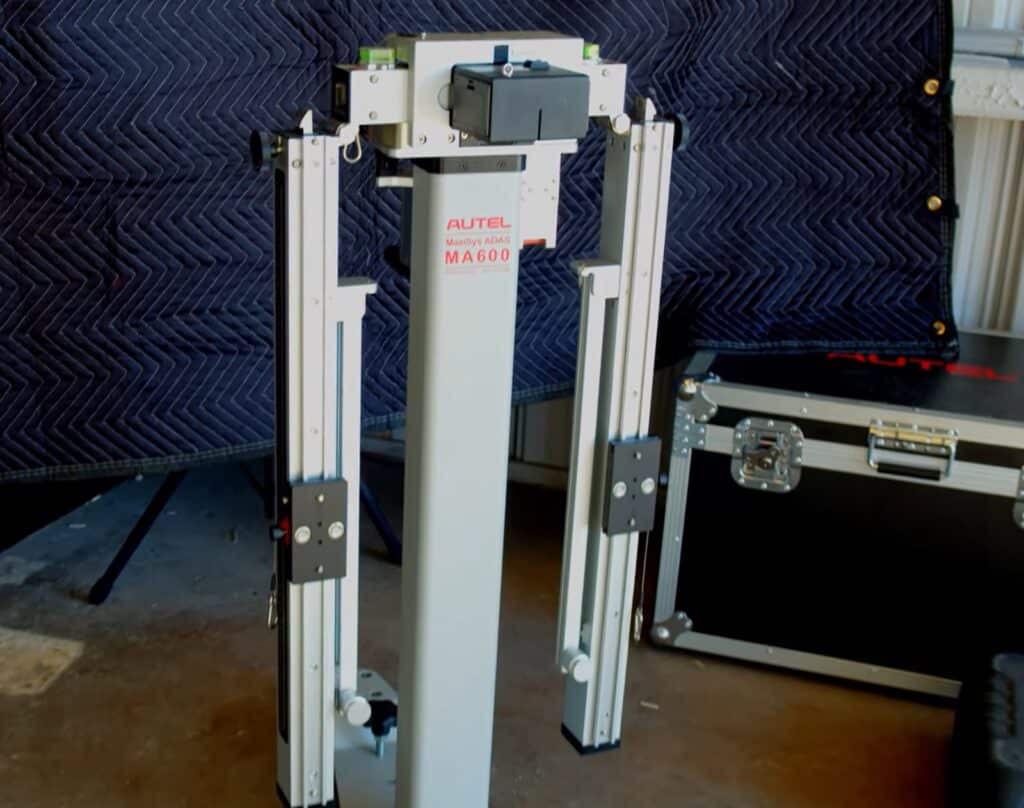
ADAS recalibration is not a simple adjustment. It requires specialized diagnostic tools, manufacturer software, controlled lighting, level surfaces, and precise measurements. Some recalibrations are static, meaning the vehicle must remain stationary while targets are placed at exact distances. Others are dynamic and require controlled road testing.
This is why not every auto glass provider can safely perform ADAS recalibration. Choosing a professional shop with the proper training and equipment ensures that your windshield replacement restores both the glass and the technology that depends on it.
The True Cost of Skipping Recalibration
Some drivers are tempted to skip recalibration to save money or time. However, the real cost shows up later—in reduced safety, denied insurance claims, increased accident risk, and potential repairs after a system failure. Compared to the long-term risks, proper recalibration is a smart investment in both safety and peace of mind.
Conclusion: Protect Your Safety After a Windshield Replacement
A windshield replacement is no longer just cosmetic or structural—it’s a critical safety repair. Ignoring ADAS recalibration puts your vehicle’s safety systems, your insurance protection, and your well-being at risk. The good news is that this is completely preventable by choosing the right auto glass professionals.
If your vehicle needs a windshield replacement, make sure it’s done right from start to finish. Contact Apex Auto Glass today to schedule expert service that prioritizes precision, safety, and proper ADAS recalibration. Your windshield—and your safety systems—deserve nothing less.